Elegant Burgundy Wedding Clipart for Timeless Design Projects
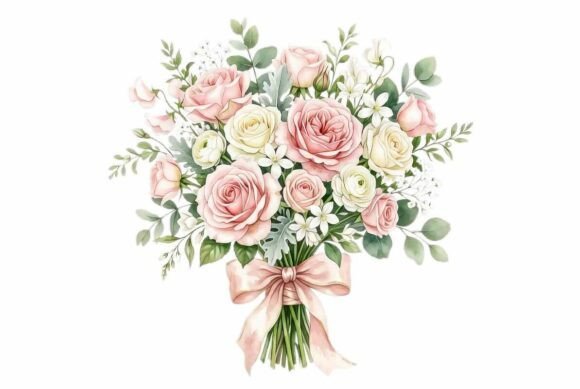
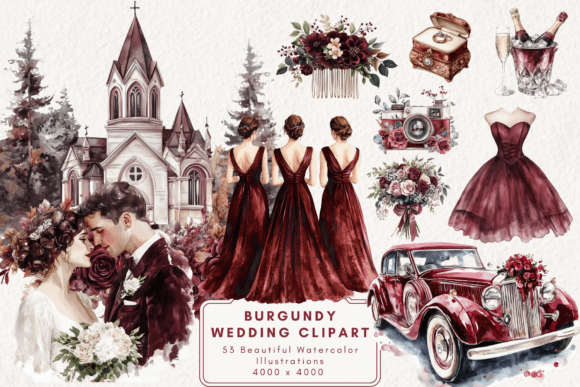
There's a reason burgundy has become the color of choice for couples seeking sophistication over fleeting trends. This deep, wine-inspired hue carries weight—it feels luxurious without being ostentatious, romantic without veering into saccharine territory. When you weave burgundy elements into wedding stationery, event branding, or digital content, you're tapping into a visual language that speaks of heritage, warmth, and intentionality. A well-curated collection of burgundy wedding clipart gives you instant access to this aesthetic, letting you build cohesive designs that resonate with audiences who appreciate understated elegance.
Why Burgundy Resonates Across Design Disciplines
Color psychology isn't just academic theory—it directly influences how people perceive your brand or project. Burgundy sits at the intersection of red's passion and purple's nobility, creating a tone that feels both grounded and elevated. Wedding planners gravitate toward it because it photographs beautifully, pairs effortlessly with gold, cream, sage, and blush, and works across seasons. A winter celebration in burgundy feels cozy and rich; a summer affair in the same palette feels lush and garden-inspired.
For designers and entrepreneurs, this versatility translates into real commercial value. You're not locked into a single seasonal application. The same burgundy floral elements that grace a wedding invitation can anchor a boutique bakery's packaging, frame a lifestyle blogger's Pinterest graphics, or add depth to an Etsy shop's brand identity. When your clipart collection features high-resolution PNG files with transparent backgrounds, you gain the flexibility to layer these elements onto any surface—digital or print—without wrestling with awkward white edges or pixelation.
Practical Applications That Actually Matter
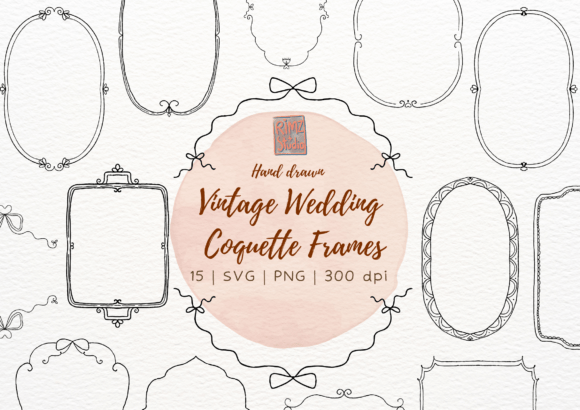
Let's move beyond abstract appreciation and talk about where burgundy wedding clipart genuinely earns its place in your design toolkit. Consider the small business owner launching a stationery line. Rather than commissioning custom illustrations for every product, a robust clipart library lets you mix and match elements—floral arrangements, ribbon accents, decorative frames, botanical sprigs—to create dozens of unique compositions. At 4000 by 4000 pixels and 96 DPI, these assets hold up beautifully for large-format printing, which means your poster designs and wall art maintain crisp detail even at significant scale.
Social media managers face a different challenge: the relentless demand for fresh visual content. Instagram feeds, Pinterest boards, and blog headers all need consistent branding that doesn't feel repetitive. A thoughtfully assembled clipart collection solves this by offering variety within a unified color story. You might use a delicate burgundy peony cluster for Monday's motivational post, swap to an elegant monogram frame for Wednesday's product showcase, and feature a trailing vine border for Friday's roundup. The common thread—burgundy—ties everything together while keeping your feed visually dynamic.
Etsy sellers and digital product creators find particular value here. Mockup templates, printable wall art, wedding suite designs, sticker sheets, and greeting card layouts all benefit from professional-quality decorative elements. When your clipart files come in PNG format with transparent backgrounds, integrating them into Canva workflows becomes seamless. Drag, drop, resize, layer—no background removal headaches, no format conversion frustrations. This compatibility matters because Canva has become the go-to platform for entrepreneurs who need professional results without steep learning curves.
Building Brand Identity Through Consistent Visual Elements
Strong brands don't happen by accident. They emerge from deliberate choices applied consistently across every touchpoint. If you're a wedding photographer building your portfolio website, a calligrapher launching an online shop, or a wedding planner developing marketing materials, the decorative elements you choose become part of your visual signature. Burgundy clipart elements function as design anchors—they signal taste, attention to detail, and a specific aesthetic sensibility that attracts your ideal client.
Think about packaging design for a moment. A handmade candle company wrapping products in tissue paper printed with subtle burgundy botanical motifs creates an unboxing experience that feels curated. The same motifs appearing on their website banner, business cards, and Instagram stories reinforce recognition. Customers begin associating those specific visual elements with quality and care. This is brand identity in action—not through a logo alone, but through a cohesive ecosystem of design assets working together.
For editorial designers and bloggers, burgundy clipart offers a sophisticated alternative to generic stock imagery. Wedding blogs can frame real couple photography with decorative borders that complement rather than compete. Magazine layouts benefit from ornamental dividers and accent pieces that guide the reader's eye. Even corporate event planners preparing internal presentations can use these elements to add warmth and personality to otherwise sterile slide decks.
Working Smarter With Your Design Assets
Having beautiful clipart means nothing if you can't integrate it efficiently into your workflow. Here's where practical considerations matter. First, always check the commercial licensing terms before using any design asset in client work or products for sale. A collection marketed toward designers and creators typically includes commercial use rights, but verifying this upfront prevents legal headaches later.
Second, think about font pairing when combining clipart with typography. Burgundy's richness pairs well with clean sans serif fonts for modern aesthetics, or with elegant serif typefaces for traditional compositions. Script and handwritten fonts add romantic flair but should be used sparingly—typically for headlines or accent text—while body copy remains in highly legible typefaces. The interplay between decorative clipart and thoughtful typography creates designs that feel polished rather than cluttered.
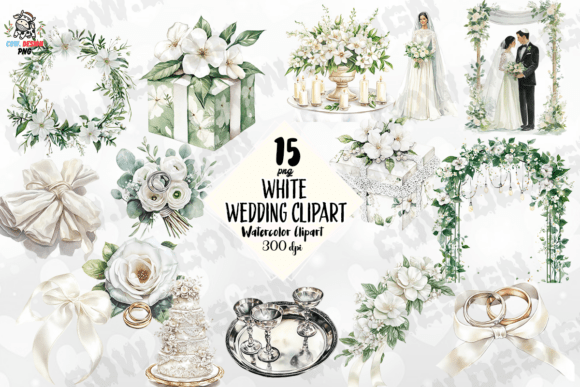
Third, organize your files strategically. With 53 clipart pieces in a single collection, you'll want to sort them by category—florals, frames, monograms, borders, individual elements—so you can locate what you need without scrolling through everything. Create folders within Canva or your local design library that mirror your most common project types. This small investment in organization pays dividends when you're working against a deadline.
From Hobby Project to Professional Portfolio
The gap between amateur and professional design often comes down to resources and resourcefulness. Access to premium design assets—high-resolution clipart, quality fonts, cohesive color palettes—elevates your output immediately. A scrapbook enthusiast creating a wedding album for a friend can achieve results that rival professional stationers when armed with the right tools. A content creator building their first digital product can produce mockups and promotional graphics that instill buyer confidence.
Burgundy wedding clipart occupies a specific niche, but its applications extend far beyond weddings. Anniversary celebrations, Valentine's Day promotions, wine industry branding, luxury product marketing, fall seasonal campaigns, and heritage-inspired projects all benefit from this color palette. The key is recognizing that these assets are starting points—raw materials for your creative vision. How you combine them, scale them, recolor select elements, and integrate them with your unique content determines the final result.
Whatever your role—designer crafting client deliverables, entrepreneur building a brand from scratch, hobbyist pursuing a creative passion—the right visual assets remove barriers between your ideas and their execution. Burgundy's enduring appeal ensures your work won't feel dated next season, and the practical format specifications ensure your files perform reliably across every medium you choose. That combination of aesthetic longevity and functional reliability is exactly what makes a design investment worthwhile.