Soft Watercolor Blooms for Your Wedding Stationery
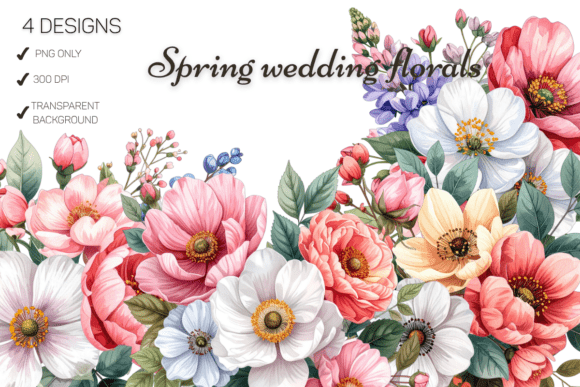
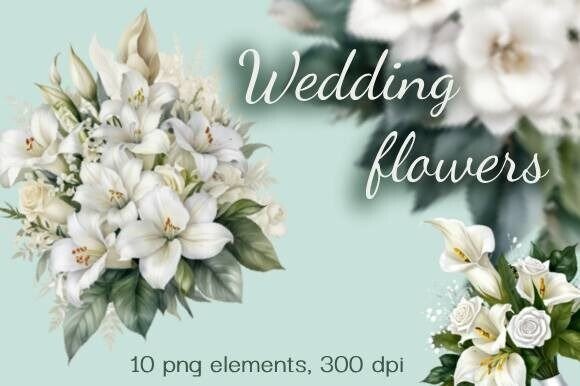
There is a specific kind of romance that only watercolor can capture. It’s in the way the pigment bleeds gently into the paper, creating soft, unpredictable edges that feel organic and alive. When you apply this aesthetic to wedding florals, the result is pure magic. Imagine delicate lilies, velvet-rich roses, and snow-white calla lilies rendered in washes of cream, sage green, earthy brown, and ethereal turquoise. This isn’t just clip art; it’s digital fine art designed to bring a tactile, painterly quality to your projects. Whether you are a graphic designer building a wedding brand or a bride crafting her own invitations, the versatility of high-quality watercolor illustrations offers a timeless elegance that flat vector graphics simply cannot replicate.
Why Watercolor Florals Resonate with Modern Audiences
In an era of digital saturation, audiences crave authenticity. Hand-painted elements signal care, attention to detail, and a break from the sterile perfection of computer-generated imagery. Using a collection of Wedding Flowers, Bouquets, Watercolor assets allows you to bridge the gap between professional design and artisanal charm. These illustrations work beautifully because they mimic the imperfections of real life. The varying opacities and color bleeds create depth, making your designs feel expensive and bespoke.
For designers and business owners, this style is incredibly adaptable. It softens corporate branding, adds romance to editorial layouts, and brings a cohesive aesthetic to social media feeds. The specific palette mentioned—creams, greens, browns, and turquoise—is particularly effective because it is gender-neutral and season-agnostic. It works for a spring garden party just as well as a cozy winter wedding, making these assets a year-round staple in your creative toolkit.
Transforming Digital Assets into Tangible Experiences
The true power of a premium design asset lies in its application. While the source files may be high-resolution PNGs, their potential extends far beyond the screen. A collection of ten separate bouquets provides enough variety to create a full suite of wedding stationery without feeling repetitive.
Consider the tactile experience of your guests. When they receive an invitation printed on textured cardstock featuring a velvet rose illustration, the visual weight of the design translates into a feeling of importance. Here is how you can leverage these floral elements across various mediums:
- Wedding Stationery Suites: Use a lush bouquet as the focal point for the main invitation, then extract single smaller blooms or leaves for RSVP cards and details inserts to maintain visual consistency.
- Custom Textiles and Ceramics: If you are designing for a bachelorette party or a wedding favor, watercolor art prints exceptionally well on fabric (think tote bags or scarves) and ceramics. The soft edges hide minor printing imperfections often found on curved surfaces like mugs.
- Business Branding and Logo Design: For wedding planners, florists, or boutique agencies, a watercolor floral element can define your brand identity. It suggests that your business is creative, detail-oriented, and focused on beauty. It serves as a strong foundation for a logo that needs to feel approachable yet professional.
- Editorial and Book Design: Authors and publishers can use these illustrations as chapter headers or page footers. They add a decorative touch that enhances the reader's experience without distracting from the text.
Practical Application: Integrating Florals into Your Brand Identity
When incorporating Wedding Flowers, Bouquets, Watercolor into a brand or project, the goal is enhancement, not overwhelming. These illustrations are rich in detail, so they require a thoughtful approach to layout and typography. Because the art style is organic and fluid, it pairs best with typefaces that offer contrast or complement.
A classic serif font often pairs beautifully with watercolor florals, offering a grounding, traditional structure to the fluidity of the paint. Alternatively, a clean sans-serif font can create a modern, high-contrast look that feels fresh and airy. If you are going for a whimsical vibe, a delicate script font can mimic the flow of the brushstrokes, but be mindful of readability—ensure your body copy remains legible.
For packaging design, these florals can be used as a "belly band" wrapping around a box or as a background texture that is faded back to let text shine. In digital spaces, such as Instagram stories or website banners, the high-resolution nature of the files ensures they remain crisp on retina displays. You can even use these images to create custom gift wrap or tags, turning a simple thank-you gift into a memorable piece of art.
Ensuring Quality and Versatility in Your Workflow
One of the most frustrating experiences in design is purchasing an asset only to find it is low resolution or poorly masked. High-quality floral sets, such as those provided in 300 dpi PNG format, are essential for professional output. This resolution is the standard for print, ensuring that the delicate details of the lily petals and the texture of the calla lilies remain sharp even when printed at larger sizes.
When working with PNG files, the transparent background is your best friend. It allows you to layer the bouquets over different textures—like watercolor paper backgrounds or linen swatches—without needing to manually erase white edges. This flexibility is crucial for creating complex compositions, such as a "wreath" effect made by mirroring two bouquets, or for placing a floral accent in the corner of a business card.
Ultimately, the value of a collection like this is measured by how often you reach for it. From the initial "Save the Date" to the final "Thank You" card, and continuing into your business branding or personal creative projects, these watercolor illustrations provide a versatile, professional-grade foundation. They allow you to tell a visual story that is cohesive, beautiful, and deeply personal.